
- Hannah Barry
"I've seen friends go through depression. They would not use the terms we use here, like depression, because it's stigmatising for them.
"They feel you've gone to university for three to five years, you get your qualification and then all of a sudden, you come here and you can't get the job that you had or you know you were a manager before and all of a sudden you're being managed... it proves to be quite difficult."
"They feel you've gone to university for three to five years, you get your qualification and then all of a sudden, you come here and you can't get the job that you had or you know you were a manager before and all of a sudden you're being managed... it proves to be quite difficult."
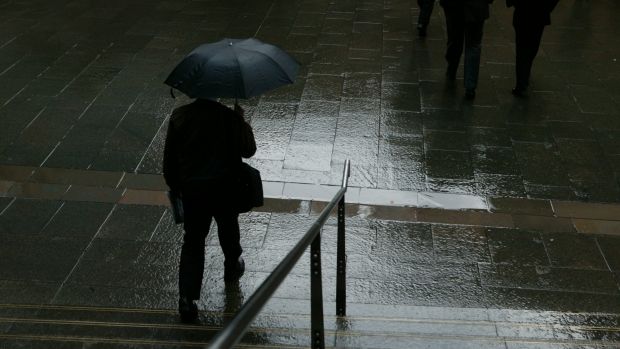
Employment barriers have repercussions on mental health, both for the primary skilled migrant and secondary migrants, including family, who may feel isolated.
This is how one migrant describes their experience attempting to find work in Western Australia in 2017, and new research by Curtin University has indicated they are not alone.
Released on Tuesday, the Minimising skills wastage: maximising the health of skilled migrant groups report revealed more than half of WA's skilled migrant workforce are working lower-skilled jobs than before they migrated, highlighting the long term effects on their mental health and well being as a result.
According to a survey of 508 WA-based skilled migrants, 53.1 per cent said they had less-skilled jobs here than before they migrated.
In its examples, the report noted a former engineer who had migrated to WA who now works as a technician, a vocational school teacher turned cleaner and packer, a geologist now working in aged care and a mechanical engineer recently employed as a security officer.
A number of migrants anonymously spoke about their experiences attempting to find work in their field and detailed obstacles they faced when applying for a job.
FOR FULL STORY PLEASE CLICK THE LINK BELOW:
www.watoday.com.au/wa-news/was-migrant-workforce-how-we-are-wasting-our-best-minds-20171121-gzpqs9.html
Released on Tuesday, the Minimising skills wastage: maximising the health of skilled migrant groups report revealed more than half of WA's skilled migrant workforce are working lower-skilled jobs than before they migrated, highlighting the long term effects on their mental health and well being as a result.
According to a survey of 508 WA-based skilled migrants, 53.1 per cent said they had less-skilled jobs here than before they migrated.
In its examples, the report noted a former engineer who had migrated to WA who now works as a technician, a vocational school teacher turned cleaner and packer, a geologist now working in aged care and a mechanical engineer recently employed as a security officer.
A number of migrants anonymously spoke about their experiences attempting to find work in their field and detailed obstacles they faced when applying for a job.
FOR FULL STORY PLEASE CLICK THE LINK BELOW:
www.watoday.com.au/wa-news/was-migrant-workforce-how-we-are-wasting-our-best-minds-20171121-gzpqs9.html
 RSS Feed